Counselling & Support for Gifted Students and Teenagers
Giftedness in adolescence presents a unique set of challenges that traditional school counseling or therapy often overlooks. Our specialized counselling services help gifted students navigate the complexities of their intense inner world and challenging academic environment.
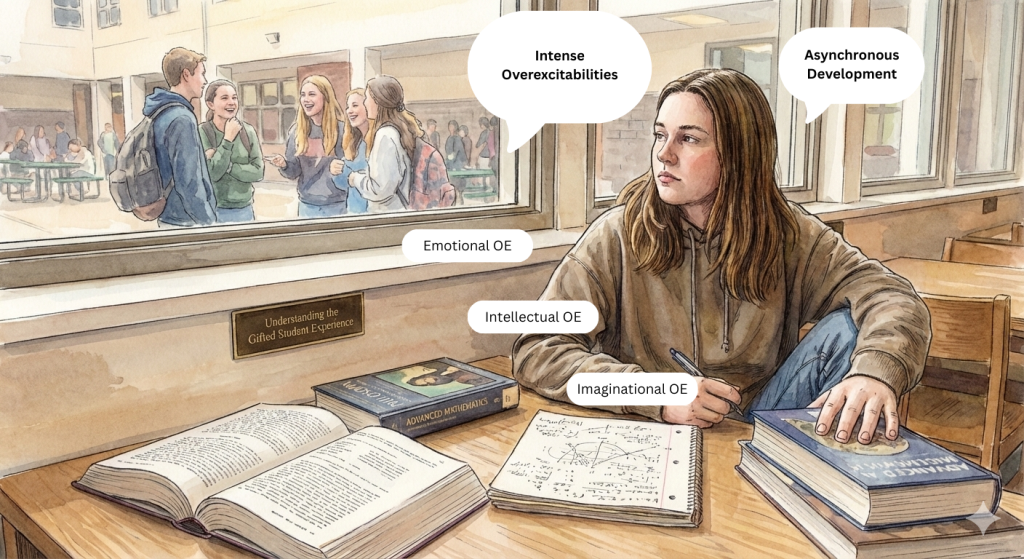
Understanding the Gifted Student Experience
Gifted students often experience an internal world and external pressures that differ significantly from their peers, leading to emotional stress and feelings of isolation.
Asynchronous Development: Intellectually, a gifted teen may operate at an adult level, but emotionally, they may still be struggling with adolescent issues. This creates a painful feeling of being “out of sync” with both peers and adults.
Intense Overexcitabilities (OEs): Based on Dabrowski’s work, their heightened intensity can manifest as:
Emotional OE: Profound empathy, strong attachments, or intense reactions to perceived injustice, leading to anxiety or depression.
Intellectual OE: Debating teachers, intellectual boredom, or difficulty conforming to rigid learning structures.
Imaginational OE: Rich fantasy life that interferes with homework or difficulty distinguishing between reality and possibility, often leading to deep existential concerns.
Perfectionism and Fear of Failure: Setting impossibly high standards can lead to procrastination, underachievement, and acute stress around assessment.
Social Isolation: Feeling alienated because interests, humor, and depth of conversation do not match those of age peers. This may lead to hiding or “dumbing down” their abilities to fit in.
Twice-Exceptionality (2e): Students who are gifted and have a learning disability (e.g., ADHD, Dyslexia, Autism) face a compounding challenge where their giftedness can mask their disability, or vice versa, leading to deep frustration.
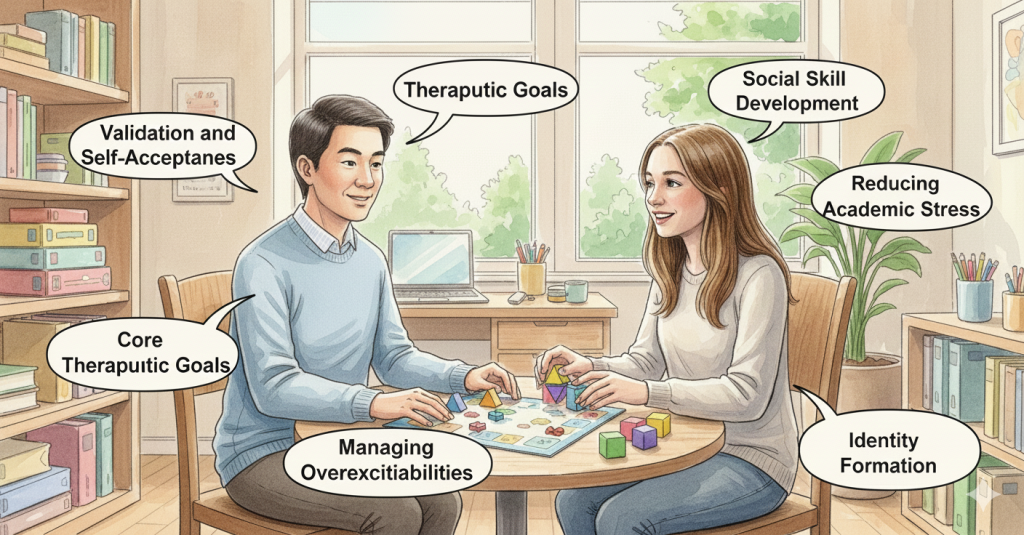
Core Therapeutic Goals
Our approach is strengths-based and development-focused, aiming to empower the student to embrace their complexity and manage their intensities.
Validation and Self-Acceptance: Helping the student recognize that their intensities and complexities are part of their normal neurotype, reducing the self-criticism and shame associated with feeling different.
Managing Overexcitabilities: Teaching practical tools for grounding, sensory regulation, and channeling intense energy (e.g., using Psychomotor OE for focused activities, using Emotional OE for creative or advocacy projects).
Reducing Academic Stress: Addressing the root causes of underachievement (often fear of failure or intense boredom) and developing healthy coping strategies for perfectionism.
Social Skill Development: Assisting students in navigating social environments, finding appropriate peer groups (e.g., through clubs or online communities), and understanding how to establish boundaries against social pressure.
Identity Formation: Guiding the student through the process of defining their gifted identity, moving beyond academic performance to defining their personal values and purpose (TPD’s move toward Level V).

Case Study: Navigating Intensity and Isolation
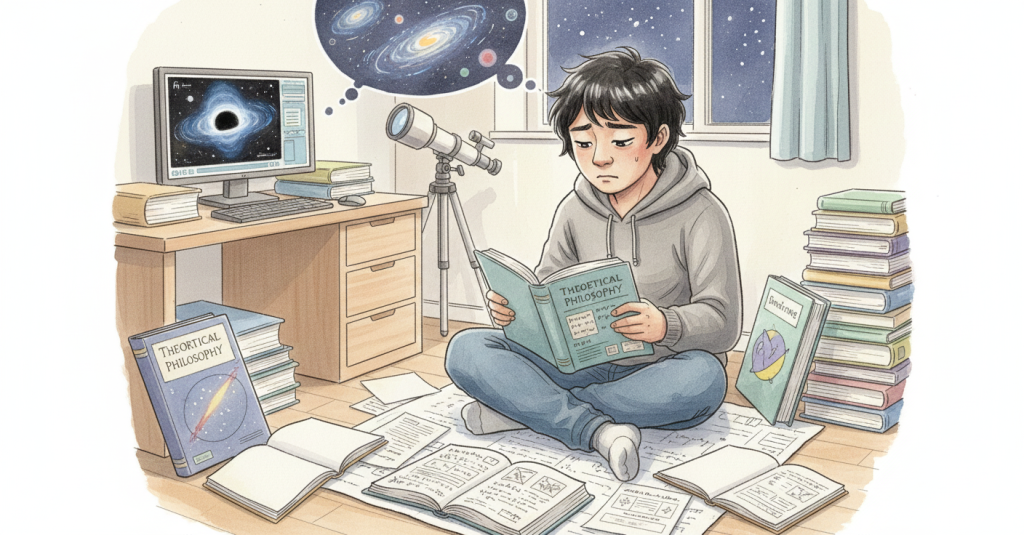
Meet Alex, 15
Alex is a highly intelligent 15-year-old student with a passion for astrophysics and philosophy, often spending hours reading complex scientific journals. Despite excelling academically when engaged, Alex was struggling significantly.
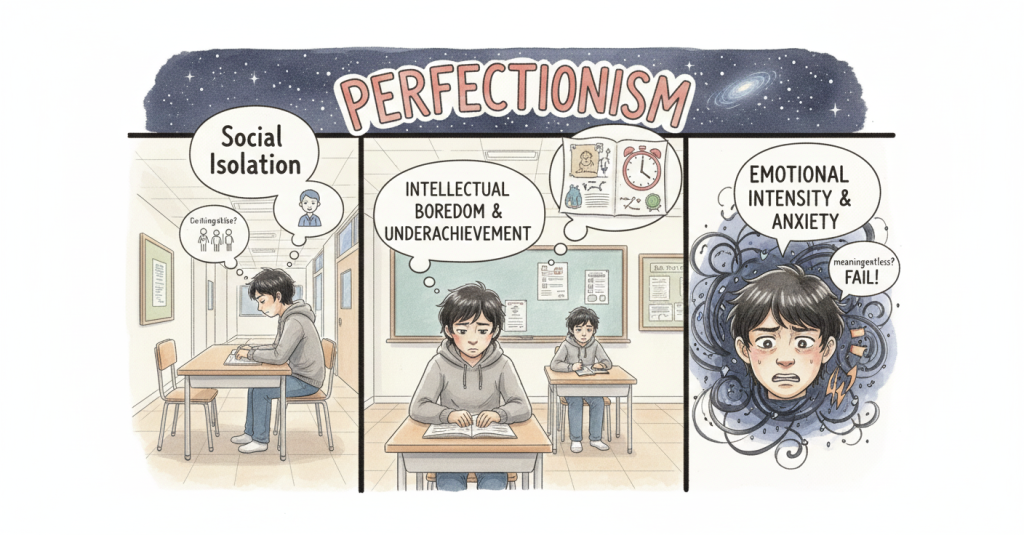
The Challenges:
Intellectual Boredom & Underachievement: Alex found regular schoolwork mind-numbingly dull. Teachers reported Alex was “not applying themselves” in subjects that didn’t ignite their passion, leading to missed assignments and declining grades in those areas.
Social Isolation: Alex struggled to connect with age peers, finding their conversations superficial. At lunch, Alex often sat alone, lost in thought, or sought out teachers for intellectual discussions, which sometimes made peers tease them.
Emotional Intensity & Anxiety: Alex experienced profound existential anxiety, often questioning the meaning of life and feeling overwhelmed by global problems. This led to significant sleep disturbances and panic attacks, particularly before tests where Alex feared making “dumb mistakes.”
Perfectionism: Alex would spend an excessive amount of time on projects for subjects they enjoyed, aiming for an impossible level of perfection, often submitting them late or experiencing burnout.
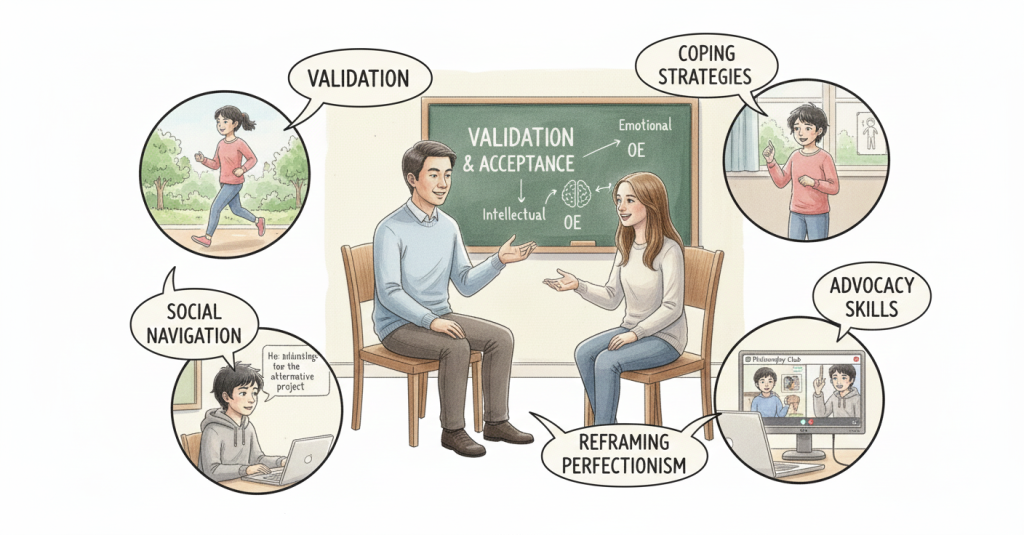
How Counselling Helped:
Through specialized counselling focused on giftedness, Alex began to understand their Overexcitabilities and asynchronous development.
Validation: Alex learned that their deep thoughts and intense emotions were not “weird” but characteristic of a gifted mind (Emotional and Intellectual OEs). This provided immense relief and reduced feelings of shame.
Coping Strategies: Alex learned grounding techniques and mindfulness exercises to manage anxiety and existential dread. We explored healthy ways to channel their Psychomotor OE into exercise, which helped with restlessness and sleep.
Reframing Perfectionism: We worked on reframing perfectionism from a source of paralysis to a drive for excellence that could be managed. Alex learned to set realistic goals and identify “good enough” for less interesting tasks.
Social Navigation: Alex explored strategies for engaging with peers on topics of mutual interest (even if they were fewer) and joined an online philosophy club, finding a community where they felt understood.
Advocacy Skills: Alex was empowered to communicate their needs to teachers, explaining their learning style and discussing ways to make certain assignments more engaging or demonstrating mastery through alternative projects.
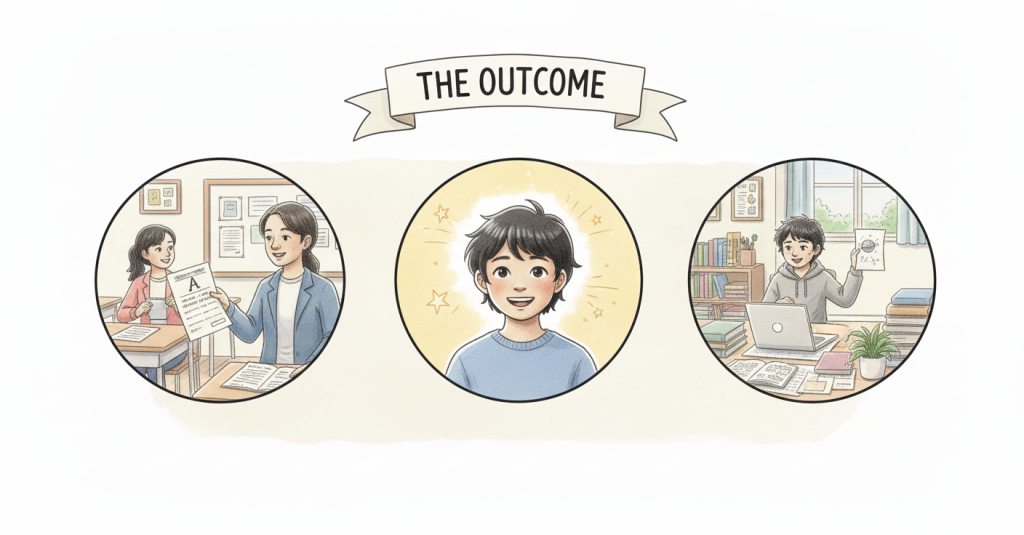
Outcome:
Within months, Alex’s grades improved in all subjects, not just the favored ones. More importantly, Alex reported feeling less anxious, more connected, and enthusiastic about learning again, having found a path to embrace their unique way of experiencing the world.
FAQs
Why did my teen’s confidence drop when they entered Pre-U/JC?
This is the Big Fish, Small Pond Effect. A student who was the smartest in their secondary school (the big fish) suddenly enters a Pre-U/JC full of gifted peers (a bigger pond). Because they are no longer “the best” by default, they assume they were never actually smart to begin with.
Is perfectionism just "wanting to do well"?
No. For the gifted teen, perfectionism is often a shield. They believe that if they perform perfectly, they can prevent the “shame” of being found out as an imposter.
Why does getting into a top-tier college make Imposter Syndrome worse?
The more prestigious the environment, the more a gifted young adult feels like a “Selection Committee Error.” They believe that while everyone else was admitted on merit, they were admitted by mistake or to fill a quota.
What are the "5 Types" of Imposter Syndrome?
Dr. Valerie Young identified five ways this manifests in high achievers:
The Perfectionist: Feels that even a 1% flaw means total failure.
The Natural Genius: Feels that if they don’t get it right on the first try, they are a fraud.
The Soloist: Believes asking for help is a sign of weakness/incompetence.
The Expert: Feels they must know everything about a topic before they can speak on it.
The Superhuman: Feels they must succeed in all life roles (student, friend, athlete) simultaneously.
How does this affect career choices?
Gifted young adults often “undersell” themselves. They may not apply for a dream internship or promotion because they are waiting until they are “100% qualified,” whereas their peers might apply when they are only 60% qualified.